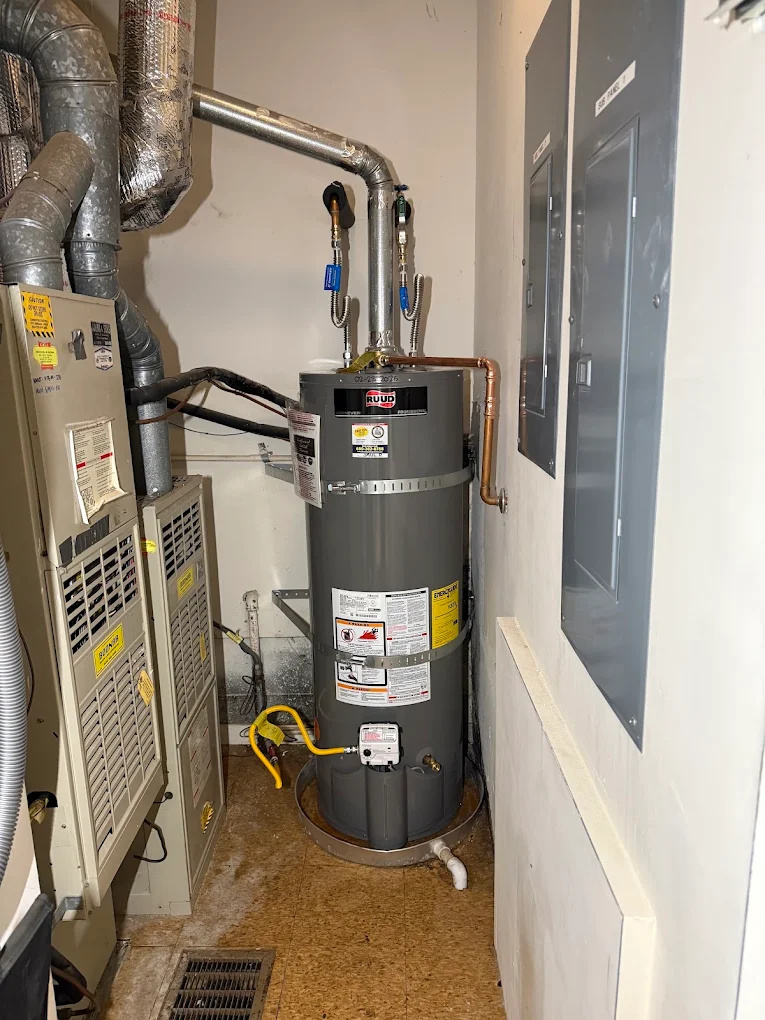
Water heater comparison
Types of Water Heaters: Electric vs. Gas
Independent guide prepared by WaterLine Plumbing
A local Plumbing Company should evaluate the building before recommending an electric or gas water heater.
Both fuel types can provide dependable hot water, but the best choice varies by property. Existing utility connections, electrical capacity, gas service, venting, household demand, space, energy prices, installation cost, and long-term plans all matter. Replacing like for like is often simpler, while converting fuels may require work well beyond the water heater itself.
This article offers original general guidance based on current information from BC Hydro, FortisBC, Natural Resources Canada, and the first organic result observed for the query. It is not a site-specific design or quotation. Rates, rebates, codes, product specifications, and program eligibility change. Have qualified contractors assess the actual property and confirm current requirements before purchase.
Electric and gas water-heater comparison
| Decision factor | Electric storage | Gas storage | What to verify |
|---|---|---|---|
| Heat source | Resistance elements inside an insulated tank | Burner heats the tank and combustion products are vented | Existing utilities and current code requirements |
| Installation | No combustion vent, but needs a correctly sized circuit and panel capacity | Needs approved gas supply, combustion air, clearances, and venting | All building work included in the written scope |
| Recovery | Varies by element input, tank size, and controls | Often strong, but varies by burner input and model | First-hour rating and actual peak household demand |
| Efficiency and cost | High conversion efficiency at the appliance, with cost affected by electricity rates | Some heat is lost through combustion and venting, with cost affected by gas rates | Current certified model data and local utility rates |
| Maintenance | Tank, elements, electrical components, relief protection, and anode where fitted | Tank plus burner, vent, gas controls, combustion, and relief protection | Manufacturer schedule and qualified service requirements |
| Outages | Active heating stops without electricity | Many modern gas models also require electricity, while some standing-pilot designs may not | The exact model instead of a general fuel assumption |
How electric storage water heaters work
A standard electric storage heater uses one or more resistance elements to heat water inside an insulated tank. It does not need combustion venting, which can simplify placement, but it requires the correct electrical circuit and panel capacity. Recovery rate and tank size determine how well it handles consecutive showers, laundry, dishwashing, and other simultaneous demand.
Electric tanks are often straightforward to replace when the home already has compatible wiring. Owners should still compare first-hour rating, standby losses, dimensions, warranty, drain-pan needs, expansion control, and access for service. An older electrical panel or a fuel conversion can add cost. Power outages also stop active reheating, although stored hot water may remain available for a limited period.
- No combustion vent is required for a standard electric tank.
- Panel capacity and a properly sized dedicated circuit must be confirmed.
- Tank size and recovery should reflect peak household use.
How gas storage water heaters work
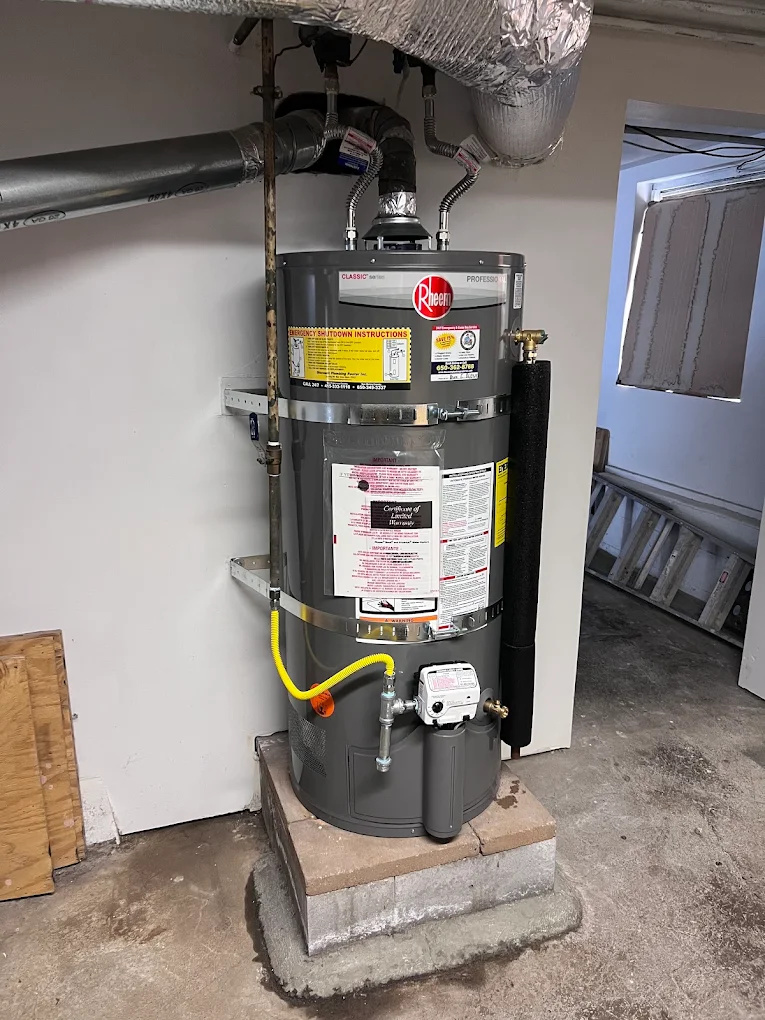
A gas storage heater burns fuel to heat water in a tank and sends combustion products through an approved venting system. Gas models can offer strong recovery, but safe operation depends on correct venting, combustion air, gas pressure, clearances, and installation. The presence of a gas line does not prove that it is sized for a new appliance.
A contractor should inspect the vent, gas piping, shutoff, drainage, seismic restraint, and installation space. Some higher-efficiency models use different vent materials, condensate drainage, or electrical controls. Conventional atmospheric equipment and powered or condensing systems are not interchangeable without a detailed review. Carbon-monoxide alarms and regular maintenance are essential parts of a gas-equipped home.
Operating cost and efficiency
Operating cost depends on more than whether electricity or gas has a lower unit price. Equipment efficiency, standby loss, household consumption, rate structure, incoming water temperature, and maintenance affect the result. Compare certified performance for specific models and use current local energy rates. A generic national cost estimate may not apply to a Surrey household.
Natural Resources Canada identifies water heating as a significant household energy use and encourages efficient equipment selection. Reduce demand as well as improving the heater: repair hot-water leaks, use efficient fixtures, choose sensible temperature settings with professional guidance, insulate suitable piping, and avoid unnecessary recirculation schedules. The lowest-energy option is the system that also meets the household's real demand without frequent backup operation.
Consider heat pump and tankless alternatives
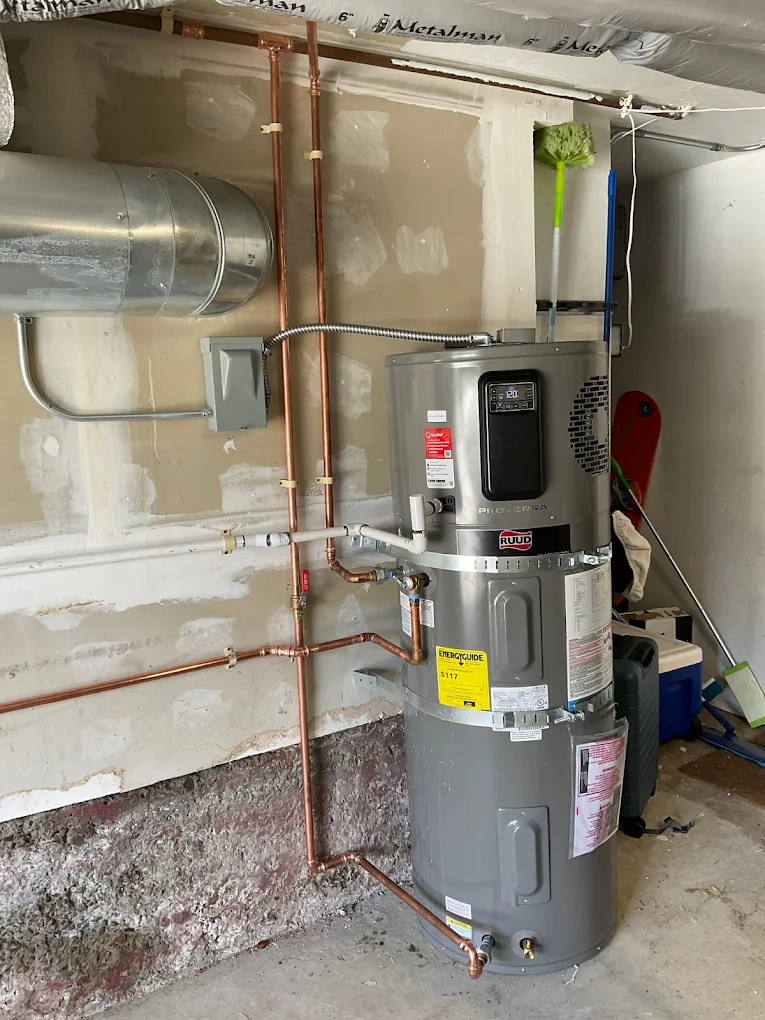
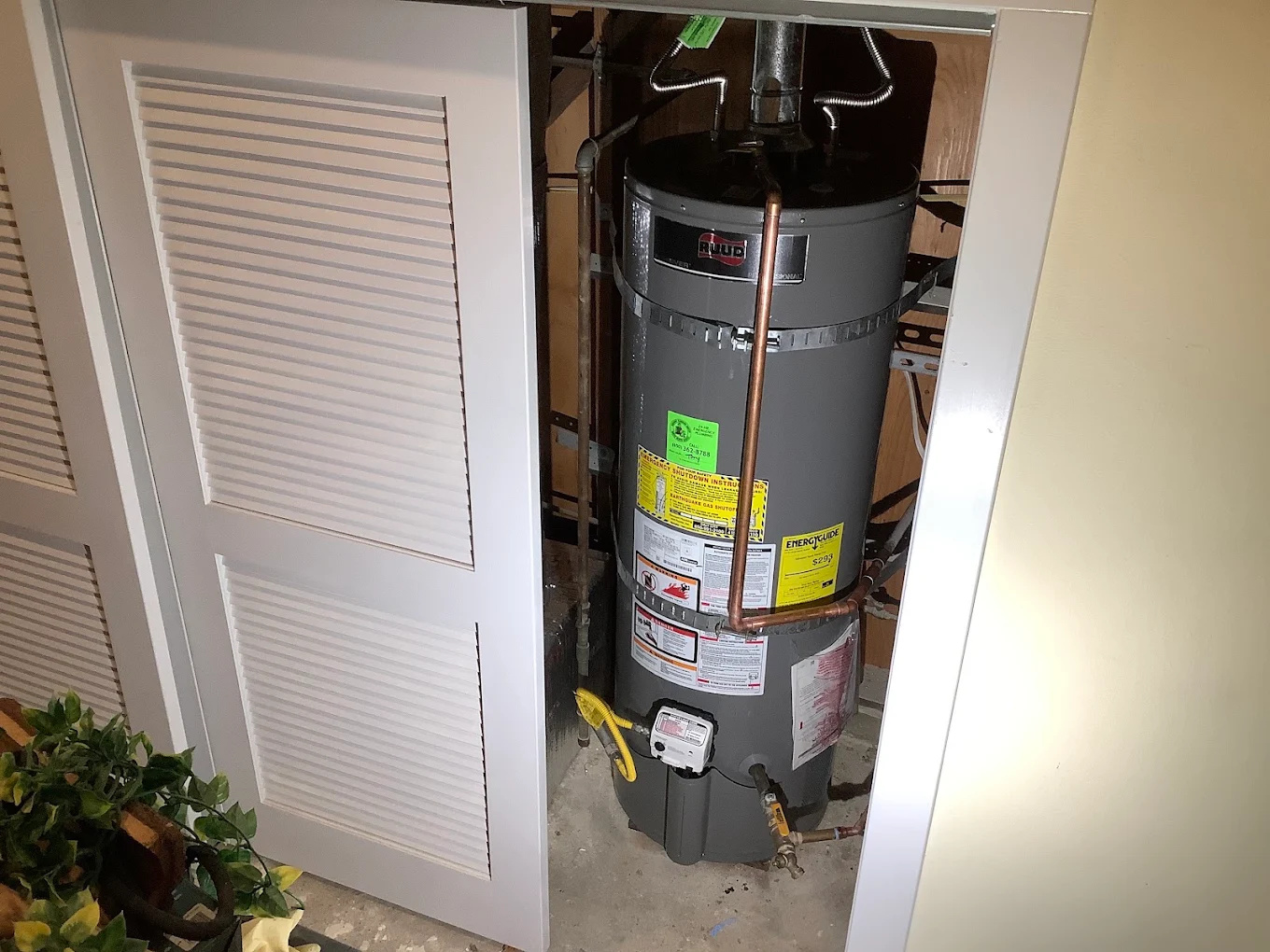
The decision is not limited to a conventional electric tank or conventional gas tank. A heat pump water heater uses electricity to move heat and can reduce consumption compared with resistance heating in a suitable space. It needs air, condensate drainage, electrical capacity, and thoughtful placement. Recovery characteristics and sound should be discussed before installation.
Gas or electric tankless equipment heats water as it flows, which reduces storage losses but introduces other sizing requirements. Gas tankless conversions may need larger piping, new venting, condensate management, and maintenance for scale. Electric tankless units can require substantial electrical capacity. A compact cabinet does not mean a simple or inexpensive conversion.
Installation, safety, and maintenance differences
Electric equipment removes combustion concerns but still involves high-current wiring, water pressure, scald risk, drainage, and code requirements. Gas equipment adds fuel piping and venting risks that require properly qualified work. In both cases, permits and inspections may apply. The installation should include safe access, shutoffs, pressure and temperature protection, and discharge piping arranged according to current requirements.
Maintenance depends on equipment and local water conditions. Storage tanks may need periodic inspection, flushing where appropriate, and anode evaluation. Tankless heat exchangers may require descaling and filter cleaning. Heat pump models have air filters and condensate components. Follow the manufacturer's current instructions and keep service records, especially when warranty coverage depends on maintenance.
A practical decision checklist
List the number of occupants, bathrooms, large tubs, shower flow rates, and appliances that use hot water. Identify periods of simultaneous use and any recurring shortage. Then document the current heater's model, age, fuel, electrical circuit, venting, location, and performance. Photographs help a contractor prepare, but they do not replace an on-site assessment.
Request comparable written options that state model numbers, capacities, installation scope, permits, warranties, maintenance, and exclusions. Ask how each option performs at peak demand and what building upgrades it requires. If one quote is much lower, compare scope line by line. The best decision balances reliable hot water, safe installation, energy use, serviceability, and total cost.
Include future plans in the discussion. A growing household, suite, large bathtub, planned electrical upgrade, renovation, or solar project can change the preferred solution. Conversely, paying for capacity that will never be used can increase cost and standby loss. Ask the contractor to explain the assumptions in plain language and update the recommendation if your usage information changes.
Before approving a fuel conversion, obtain written confirmation of the required electrical, gas, venting, drainage, and structural work. Clarify which contractor coordinates each trade and inspection. A proposal that lists only the water-heater cabinet may leave the owner responsible for expensive prerequisites that become visible after equipment has already been ordered.
Frequently Asked Questions
Is a gas water heater always cheaper to operate in Surrey?
No. Operating cost depends on the exact heater, energy efficiency, household use, current utility rates, and maintenance. A heat-pump electric model is different from a standard resistance tank, and a condensing gas model is different from an older atmospheric tank. Compare current model data using current local rates.
Can I replace a gas water heater with an electric one?
A conversion may be possible, but the electrical panel, circuit, wiring, equipment space, drainage, and removal or safe abandonment of gas and venting components must be assessed. Obtain a complete written scope before ordering the heater.
Will a gas water heater work during a power outage?
Some older standing-pilot designs may continue operating, but many modern gas heaters use powered ignition, fans, controls, pumps, or recirculation equipment. Verify the exact model rather than assuming every gas heater works without electricity.
What size hot-water tank does my household need?
Sizing should consider peak simultaneous use, first-hour rating, recovery rate, fixture flow, occupants, bathing habits, large tubs, laundry, and dishwashing. A simple occupant count can be a starting point, but it should not replace a demand assessment.
Are heat-pump water heaters the same as standard electric tanks?
No. Heat-pump models transfer heat from surrounding air and use resistance elements as backup in many designs. They need suitable air volume or ducting, condensate drainage, electrical capacity, and a location where sound and cool exhaust air are acceptable.
Choose electric or gas from the facts at your property
Electric tanks can offer simple, vent-free operation where electrical capacity is available. Gas tanks can provide strong recovery where safe gas and venting infrastructure exists. Heat pump and tankless systems may improve efficiency or space use in the right application. None is automatically best for every Surrey home.
WaterLine Plumbing can inspect the existing installation, estimate hot-water demand, and explain practical replacement choices. Call 778-562-5628 for a planned consultation or urgent water-heater service.
Sources and research notes
Organic-result research checked October 25, 2026 for the query “Types of Water Heaters Electric vs Gas.” The first conventional web result observed was Electric vs Gas Water Heater: Which Is Better for Your Home?. The observed result is a commercial Direct Energy Canada article. It informed topic coverage only and is not linked as a factual source; the public citations below are official Canadian and British Columbia resources. This article is original editorial work informed by the cited sources and does not reproduce their protected prose.
- BC Hydro: Water Heaters
- FortisBC: Tank or Tankless Water Heater
- Natural Resources Canada: Water Heaters
Venue details, schedules, menus, prices, regulations, products, and availability can change. Confirm current information with the linked official source before making plans or purchasing equipment.