
Drain cleaning guide
The Easiest Way to Unclog a Drain
Independent guide prepared by WaterLine Plumbing
Professional Plumbing Services are the safest next step when a blockage is severe, recurring, or affecting several fixtures.
For a simple single-fixture clog, the easiest safe method is usually a sequence: stop using the fixture, remove visible debris, use the correct plunger, clean an accessible trap if you are comfortable, and then try a small hand auger. This process starts with low-risk mechanical methods and provides clues about where the obstruction sits. It is safer than combining household chemicals or repeatedly pouring harsh cleaner into an unknown plumbing system.
This original guide is general information informed by current consumer safety guidance, plumbing practice, and the leading search results observed for the topic. It cannot diagnose your piping. Sewage backup, flooding, a suspected broken pipe, chemical exposure, or a blockage affecting multiple fixtures requires professional assessment. If you rent or live in a strata, follow the property manager's emergency process before altering shared plumbing.
Clog symptoms and sensible first responses
| What you observe | Low-risk first response | What it may indicate | When to stop |
|---|---|---|---|
| One slow sink or tub | Remove reachable debris and use the correct plunger | A stopper, trap, or nearby branch obstruction | Stop if a fitting leaks, the fixture moves, or another drain reacts |
| Accessible sink trap remains blocked | Use a bucket, photograph the assembly, and clean it only if fittings are serviceable | Material in the trap or line immediately beyond it | Leave old metal, glued, hidden, or badly corroded piping to a plumber |
| Several fixtures gurgle or back up | Stop using water and document which fixtures are affected | A branch, building drain, or sewer blockage | Do not keep testing or open a pressurized cleanout |
| Drain cleaner has already been used | Keep the product label and ventilate according to its directions | A chemical exposure risk above an unresolved blockage | Do not add another chemical or open the trap; tell the technician what was used |
| Flow returns but the clog soon recurs | Record how long the improvement lasted and what use triggered it | Remaining buildup, roots, poor grade, or damaged pipe | Arrange diagnosis instead of repeatedly forcing the same temporary method |
First determine whether the clog is local or part of a larger problem
Test cautiously. If one sink drains slowly while nearby fixtures work normally, the obstruction may be in that fixture's stopper, trap, or branch line. If a toilet, tub, and floor drain react together, or water rises in one fixture when another is used, stop running water. That pattern can indicate a blockage farther downstream. Continuing to test may push wastewater onto the floor.
Listen for gurgling, note sewer odours, and identify the lowest affected fixture. Check whether neighbours or other units have a similar problem only through the proper building contact. Do not open a cleanout when backed-up wastewater may be under pressure. Document what happened and call for service if the issue extends beyond one accessible fixture.
- One slow fixture often suggests a local obstruction.
- Several affected fixtures can indicate a branch or main-line blockage.
- Active sewage backup requires immediate water-use control and professional help.
Remove visible debris and clean the stopper
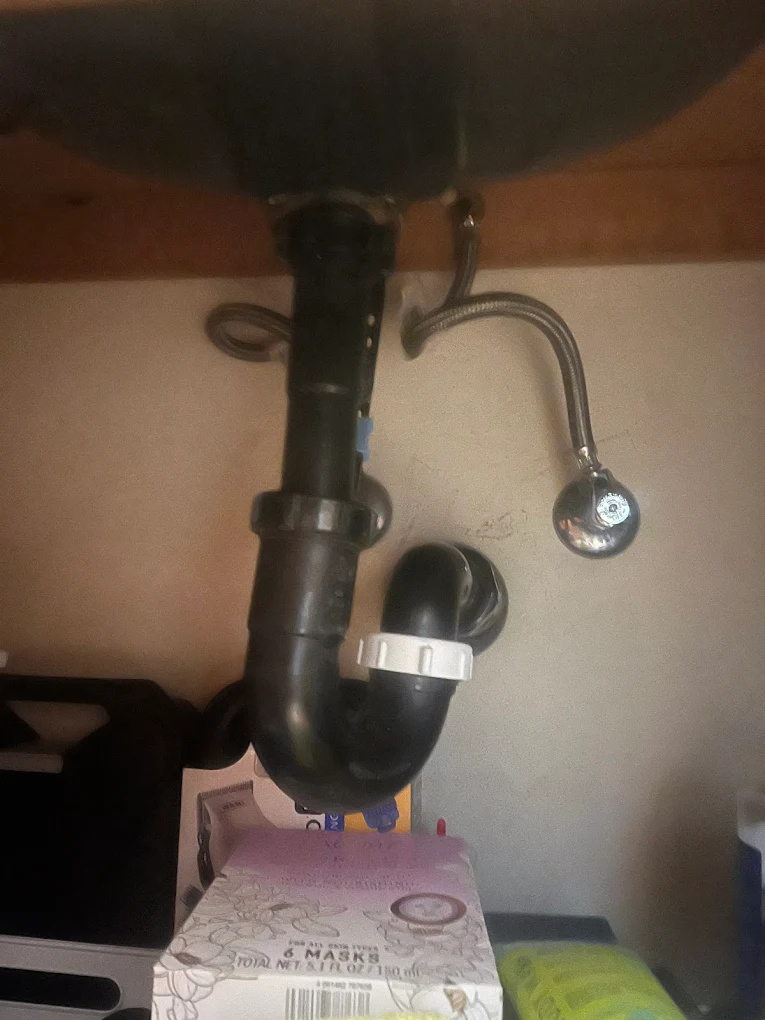
Wear gloves and provide ventilation. For a sink or tub, remove hair, soap, food, or other material that is safely reachable at the opening. Many bathroom clogs begin around the stopper assembly. Follow the fixture manufacturer's method for removing and reinstalling it, and avoid forcing parts that may be brittle or corroded. Keep small components organized so the linkage returns to the same position.
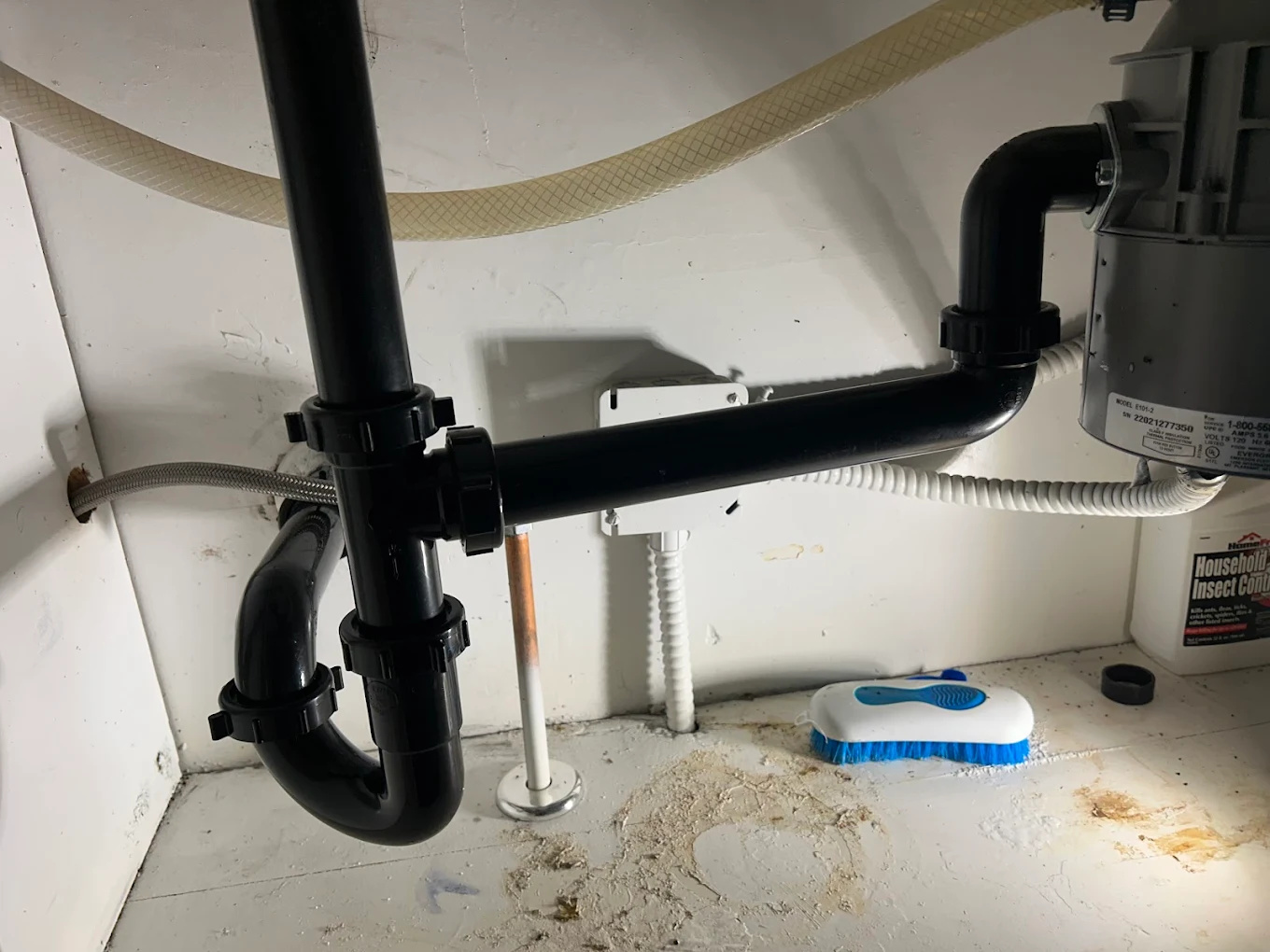
Kitchen sinks require different caution. Never place a hand in a garbage disposal, even when the switch is off. Isolate power according to the manufacturer's safety instructions and use only approved tools. Remove standing water with a container if necessary so you can work without splashing contaminated water. If a chemical drain product has already been added, stop and tell any plumber before they begin.
Use the right plunger with a good seal
A cup plunger is suited to flat sink and tub openings, while a flange-style toilet plunger is shaped for a toilet outlet. Add enough water to cover the cup, block the overflow opening on a sink or tub with a damp cloth, and create a firm seal. Use controlled strokes rather than violent force. The goal is to move water back and forth through the obstruction without damaging the fixture.
For a double kitchen sink, seal the second opening. After several strokes, release the plunger and see whether water drains. Repeat only a reasonable number of times. If the fixture remains completely blocked, more force is not necessarily better. Stop if connections leak, the fixture moves, or wastewater appears elsewhere.
Clean an accessible sink trap carefully
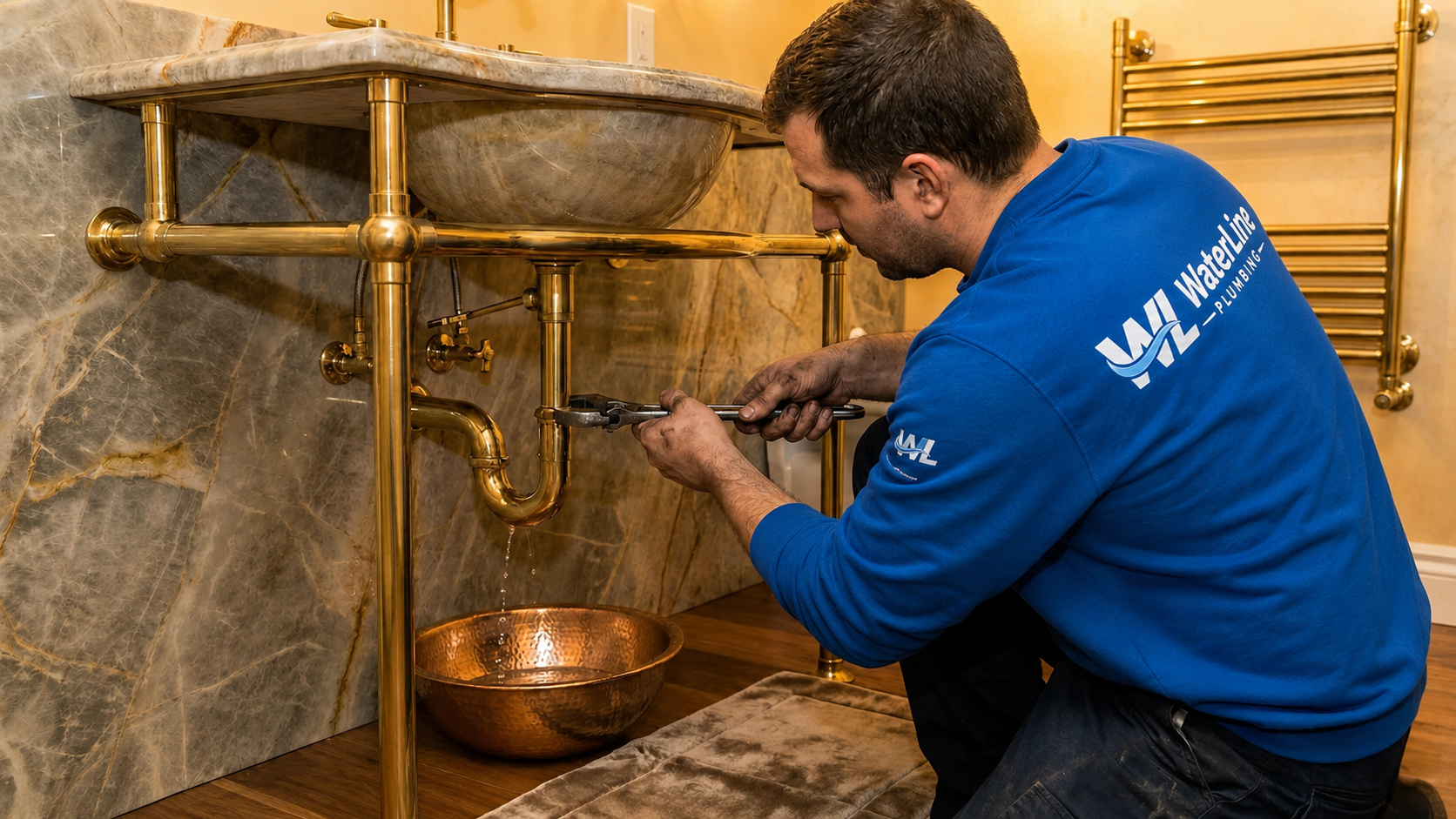
If a sink remains blocked and the trap is accessible, place a bucket and towels underneath. Photograph the assembly before loosening anything. Hand-loosen slip nuts where appropriate, support the trap, and expect water and debris. Clean the removed section without damaging washers, then reassemble it in the same orientation. Plastic fittings should not be overtightened.
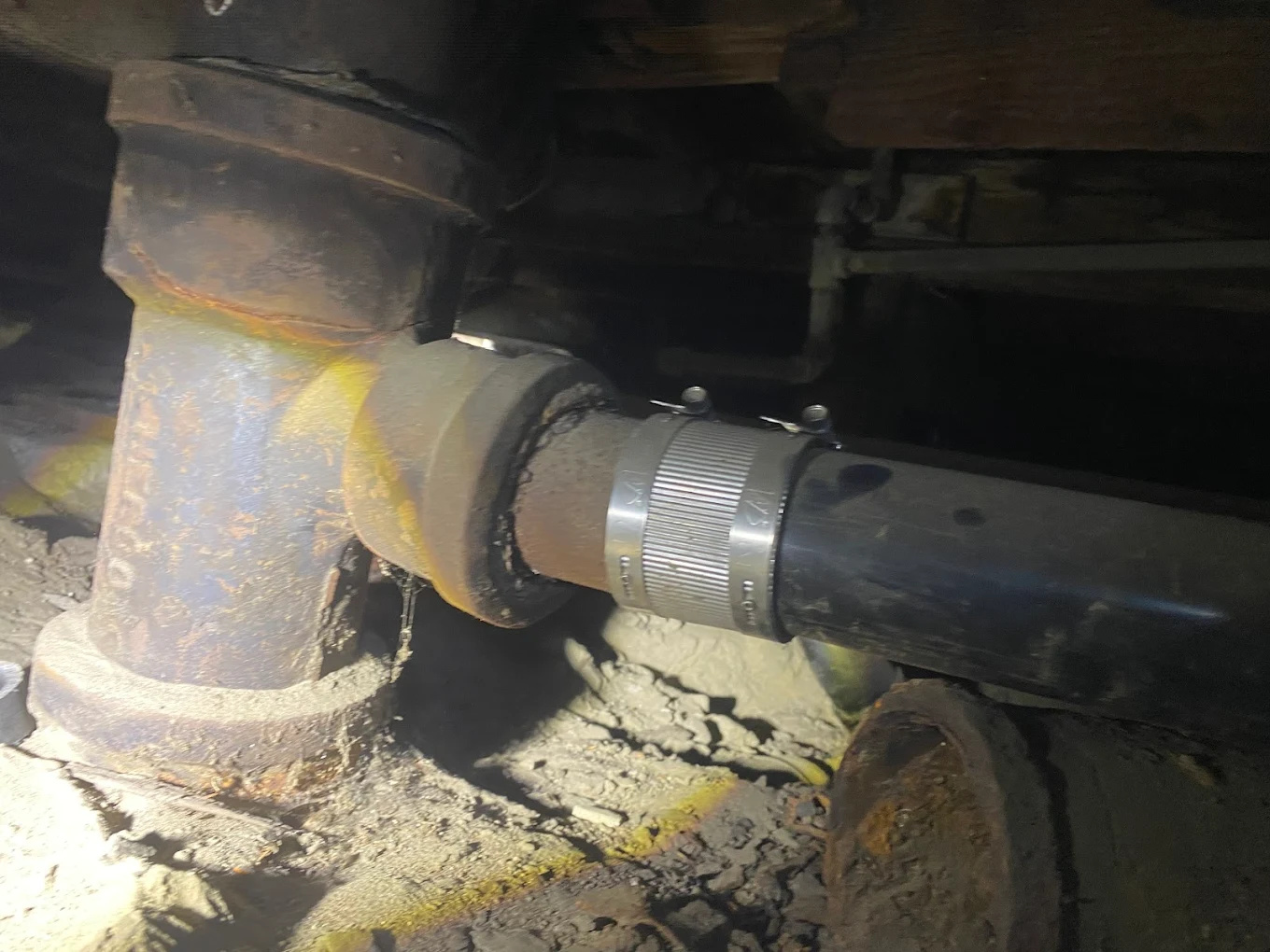
Run a small amount of water while watching every joint, then increase the flow only if the assembly stays dry. Old metal traps, glued piping, hidden connections, or corroded fittings are not good do-it-yourself candidates. If the trap is clear but the line beyond it remains blocked, a hand auger may be appropriate for an experienced homeowner, or it may be time for a plumber.
Try a hand auger without damaging the pipe
Use an auger designed for the fixture and follow its instructions. A toilet requires a closet auger that protects the bowl, not a general cable that can scratch porcelain. Feed the cable gently, rotate as directed, and avoid forcing it through resistance. Aggressive use can damage fittings, become stuck, or push through weakened pipe.
Retrieve the cable slowly and clean it safely. Test with a modest amount of water. If flow improves only temporarily, the cable may have opened a narrow path without removing the underlying buildup. Repeated clogs, root intrusion, damaged pipe, heavy grease, or poor grade may require camera inspection, professional snaking, hydro jetting, or repair.
Avoid dangerous chemical combinations and damaging shortcuts
Never mix drain cleaners, bleach, acids, ammonia, or other chemicals. Reactions can release toxic gas, generate heat, or cause splashing. Chemical products may sit above a solid blockage and expose the next person who opens the trap or uses a machine. If any product was used, preserve the label and disclose it to the technician.
Boiling water can damage some piping, seals, fixtures, or surfaces and should not be treated as a universal solution. Improvised metal objects may compact a clog, scratch a fixture, or puncture weak pipe. Baking soda and vinegar create visible fizz but are not a substitute for removing a substantial obstruction. Mechanical removal and accurate diagnosis are more dependable.
After flow returns, use the fixture normally while watching accessible joints and nearby drains. Do not declare success after one small cup of water if the sink usually handles a full basin. A slow return of symptoms can indicate material left in the line. Note how long the improvement lasts and share that history if professional service becomes necessary.
Frequently Asked Questions
What is the safest first thing to try on a slow drain?
Stop adding water, remove debris that is safely reachable, and use the correct plunger with a good seal. Begin with gentle mechanical methods so you can observe how the fixture responds. Do not mix cleaners or force a tool through resistance.
Can I use boiling water to clear any clogged drain?
No. Very hot water can damage some piping, seals, fixtures, finishes, or disposal components, and it may not remove a solid obstruction. Follow the fixture and piping manufacturer's guidance. Mechanical removal is generally more predictable than treating boiling water as a universal fix.
When does a clog point to a main-line problem?
Several fixtures reacting together, water rising in a lower drain when another fixture runs, widespread gurgling, or sewage backup can indicate a blockage farther downstream. Stop using water and arrange professional assessment instead of continuing to test the system.
Why does my drain clog again after I plunge or snake it?
A tool may open a narrow path while grease, scale, roots, a foreign object, poor pipe grade, or structural damage remains. Recurrence is a reason to review service history and consider appropriate camera inspection, cleaning, or repair based on evidence inside the line.
Start gently and stop when the symptoms point deeper
For a basic local clog, visible-debris removal, proper plunging, careful trap cleaning, and a suitable hand auger provide a sensible progression. Stop when several fixtures are involved, wastewater is backing up, chemicals are present, the pipe appears fragile, or the blockage keeps returning. Those signs call for equipment and diagnosis beyond a simple household fix.
WaterLine Plumbing provides 24-hour drain and sewer service across Surrey. Call 778-562-5628 and describe every affected fixture so the team can prepare for the likely scope.
Sources and research notes
Organic-result research checked October 25, 2026 for the query “easiest way to unclog a drain.” The first conventional web result observed was How To Unplug Any Drain Like The Pros Without Spending a Dime. The observed result is a third-party video. It is retained only as an unlinked topic-research note and is not used as a public factual citation. This article is original editorial work informed by the cited sources and does not reproduce their protected prose.
- Health Canada: Use Household Chemicals Safely
- Metro Vancouver: Sewer Flushing
Venue details, schedules, menus, prices, regulations, products, and availability can change. Confirm current information with the linked official source before making plans or purchasing equipment.