Drain service comparison
Drain Snaking vs. Hydro Jetting: What's the Difference?
Independent guide prepared by WaterLine Plumbing
The right Plumbing Repair depends on what is blocking the line and whether the pipe is strong enough for cleaning.
Drain snaking uses a rotating cable and appropriate cutting or retrieving head to open an obstruction. Hydro jetting uses controlled high-pressure water and specialized nozzles to scour material from the inside of a drain or sewer. Both can be effective, but they solve different conditions. Choosing by price or equipment name alone can leave buildup behind or expose a damaged line to unnecessary stress.
This original comparison is based on plumbing practice, current contractor information, and the first organic result observed for the topic. It is general education, not a diagnosis. A qualified technician should consider pipe material, age, access, diameter, history, blockage type, and camera findings. Hydro jetting should not be performed on a line that has not been assessed for suitability.
Drain snaking and hydro jetting compared
| Method | Usually considered for | Main advantage | Important limitation |
|---|---|---|---|
| Drain snaking | Hair, selected objects or roots, local clogs, and opening a blocked line for inspection | Can restore flow quickly with the correct cable and attachment | May cut a path without removing deposits from the full pipe wall |
| Hydro jetting | Recurring grease, sludge, sand, selected roots, and wall buildup in suitable piping | High-pressure water can scour and carry loosened material downstream | Requires safe access, water management, trained operation, and a pipe suitable for the selected pressure |
| Camera inspection | Recurring blockages, uncertain pipe condition, or verification after cleaning | Connects the cleaning choice to visible conditions and location | A completely blocked or dirty line may need a preliminary opening before the view is useful |
| Structural repair | Collapsed, separated, badly corroded, offset, or poorly graded pipe | Addresses a defect that cleaning cannot correct | Scope and method depend on location, access, material, and the confirmed condition |
How professional drain snaking works
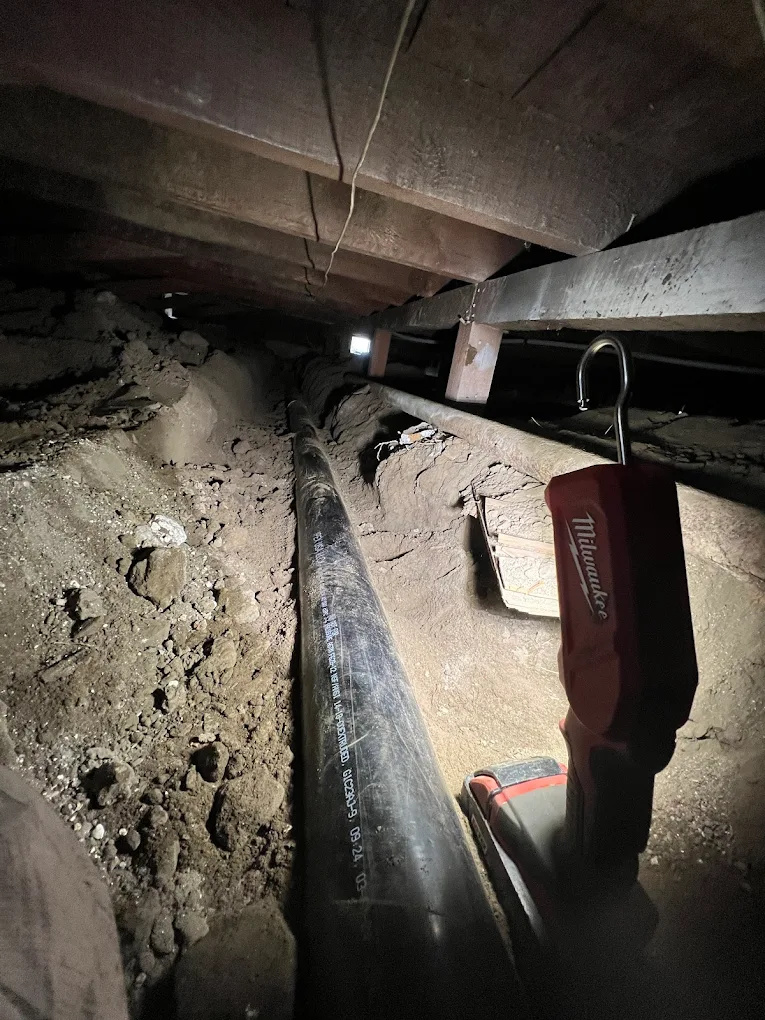
A drain machine rotates a flexible cable through the pipe. The technician chooses equipment and attachments based on pipe size, access, and suspected obstruction. A small machine may remove hair from a fixture branch, while a larger sectional or drum machine can address a building drain. The goal may be to retrieve material, cut roots, or create a usable opening through the blockage.
Snaking is often effective for discrete obstructions and can restore flow quickly with less water than jetting. It does not always clean the full pipe wall. A cable may bore through grease, scale, or roots while leaving material that contributes to another blockage. Results depend heavily on proper machine selection and operator skill, and rotating cables can injure an untrained user or damage fixtures and piping.
- Useful for many hair clogs, solid obstructions, and selected root intrusions.
- Can restore an opening without washing the entire pipe wall.
- Requires the correct cable, head, access point, and trained operation.
How hydro jetting works
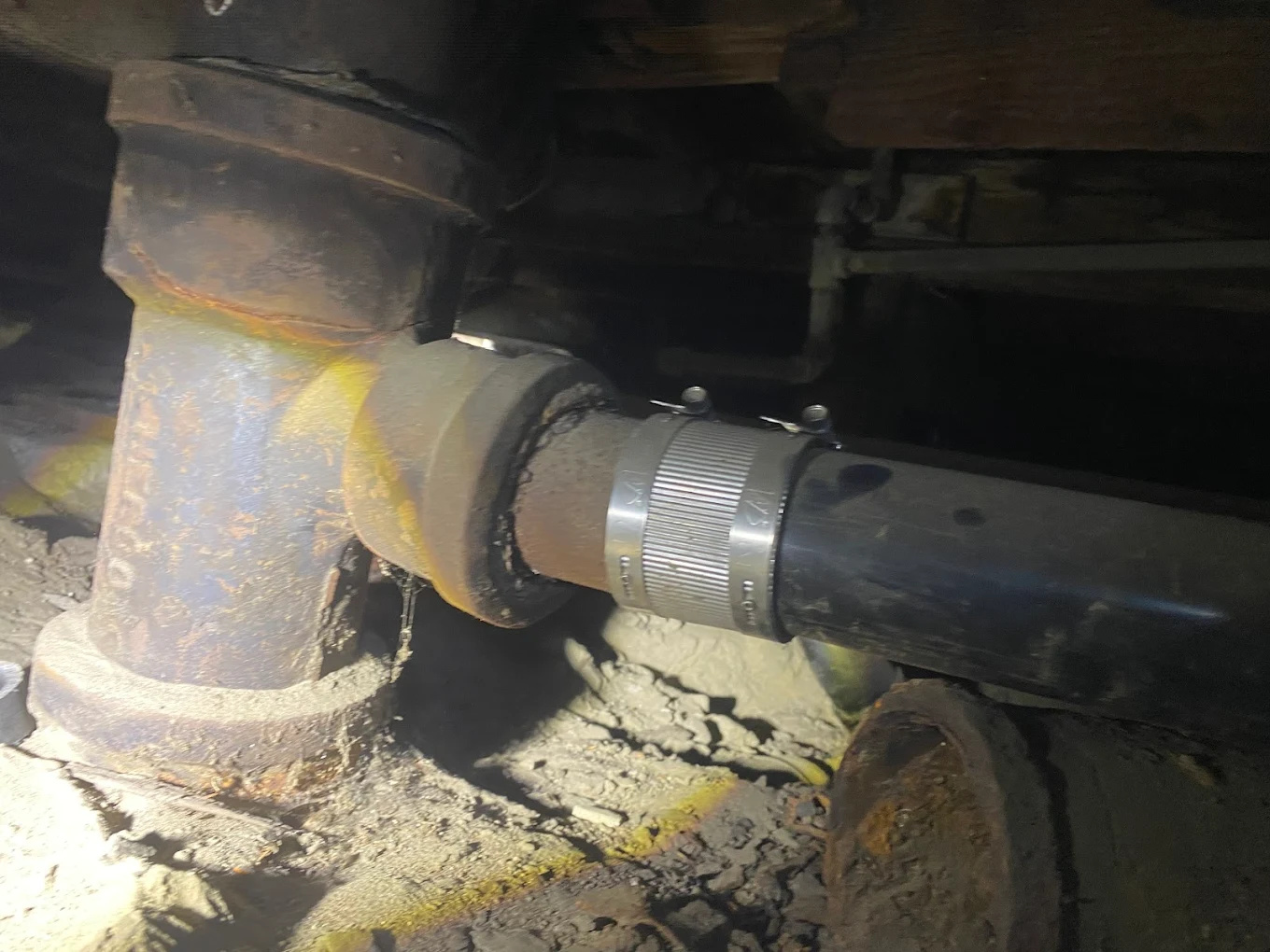
A hydro-jetting system sends water through a hose and nozzle designed to move through the line while directing jets against deposits. Different nozzles and pressures serve different pipe sizes and conditions. When used correctly on suitable piping, jetting can remove grease, sludge, sand, soap buildup, and selected root growth more completely than a cable that only opens a path.
More pressure is not automatically better. The technician should adjust equipment to the line and maintain safe control of the hose and discharge. Water must have a safe route through the system, and downstream conditions matter. Fragile, separated, collapsed, or severely corroded pipe may require repair or a different cleaning method instead of high-pressure treatment.
Why camera inspection changes the decision
A sewer camera can help identify roots, grease, offsets, cracks, standing water, foreign objects, or a collapse. The first view may be limited if the line is fully blocked, so a preliminary opening can be necessary before a useful inspection. After cleaning, a second pass can document the pipe more clearly and reveal whether structural repair is needed.
A camera image should be interpreted with location and pipe knowledge. Ask the technician to explain what is visible, how far the camera travelled, and how the defect was located from the surface. Keep the recording or report when available. A recommendation is more credible when it connects the proposed method to specific observed conditions rather than using the same solution for every clog.
When snaking is usually the practical first choice
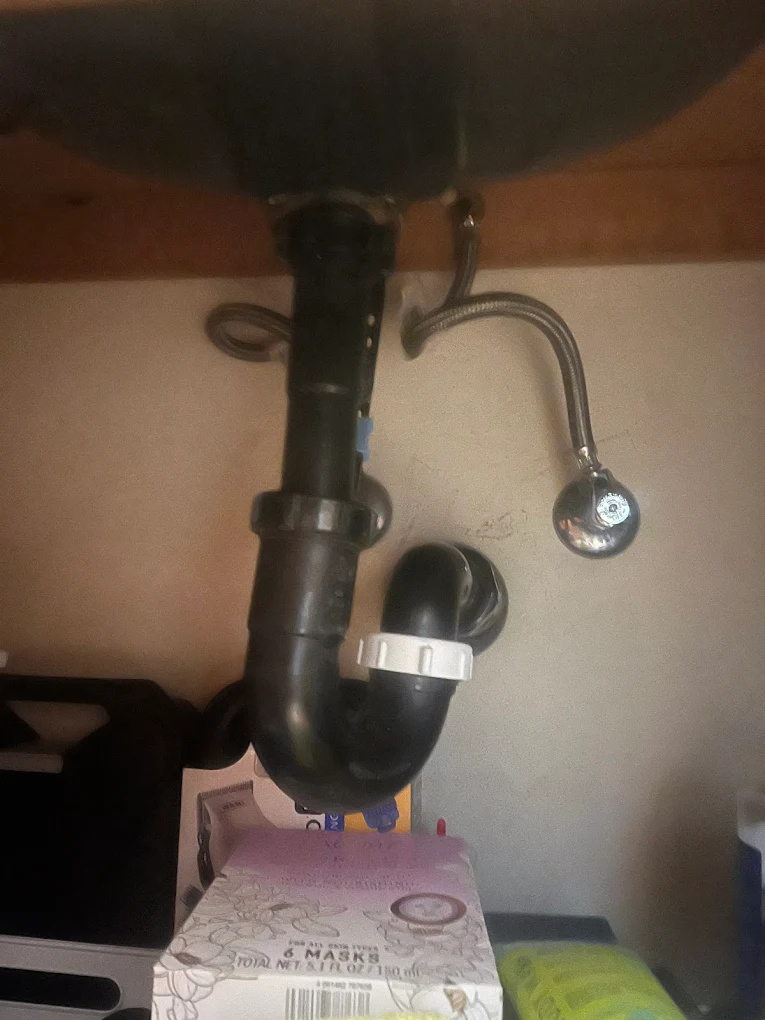
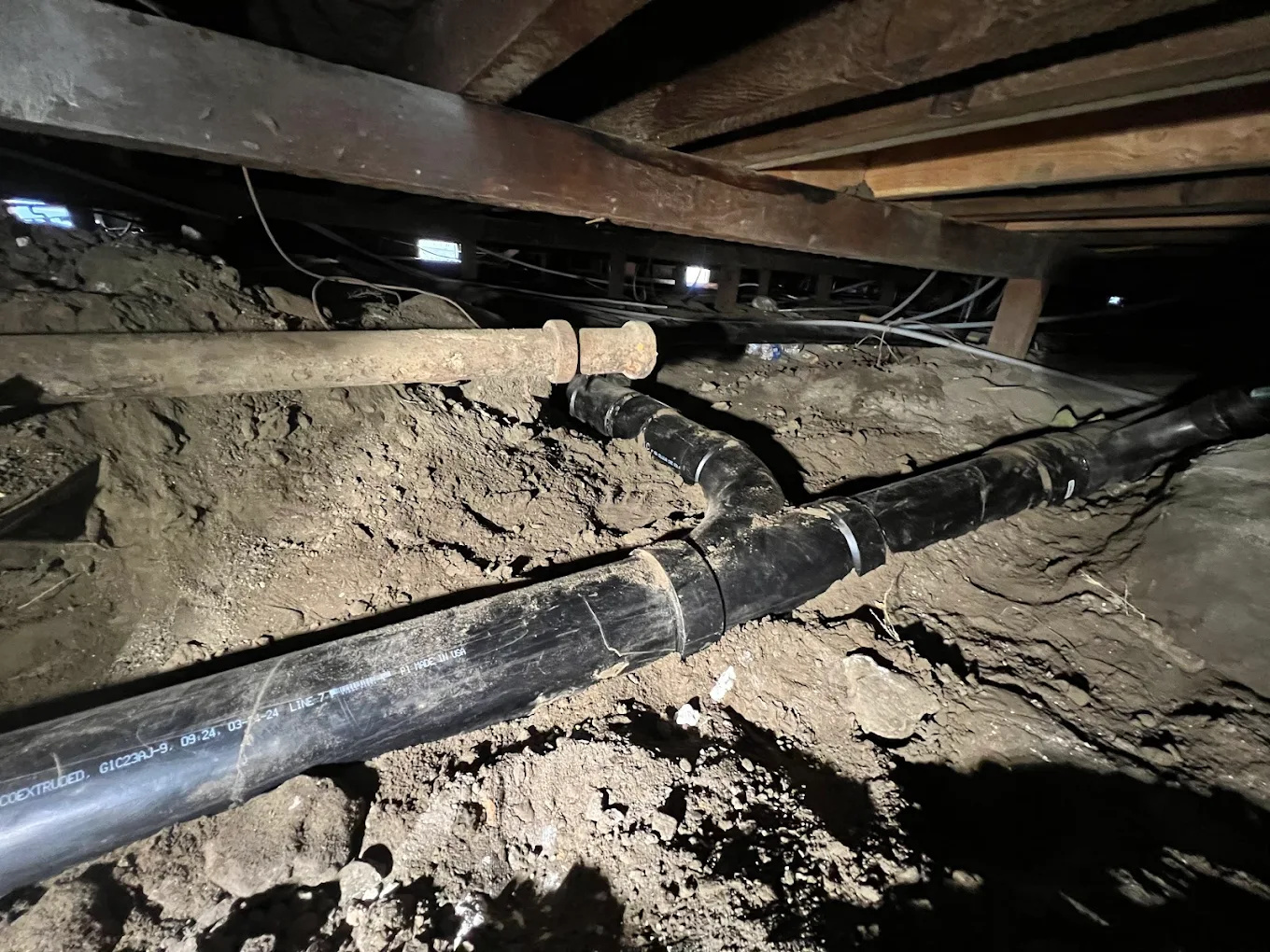
Snaking may be appropriate for a localized fixture blockage, a removable object, a straightforward hair clog, or a line where access and pipe condition favour cable equipment. It can also create enough flow for a camera to inspect a heavily blocked line. In an emergency, restoring service may come before a more thorough maintenance plan.
The limitation is recurrence. If the cable repeatedly opens the same line for only a short time, ask what remains on the pipe wall or whether a structural issue exists. Repeating identical service without new diagnosis can cost more over time. The next step might be a different cutter, jetting, camera inspection, excavation, lining, or replacement depending on evidence.
When hydro jetting may provide a better cleaning result
Hydro jetting is often considered for recurring grease and sludge, long runs with wall buildup, commercial kitchen drainage, selected root conditions, or preparation for further pipe work. The water can carry loosened material downstream rather than leaving cut debris in place. Appropriate access and water management are required, and commercial systems may need coordination to minimize interruption.
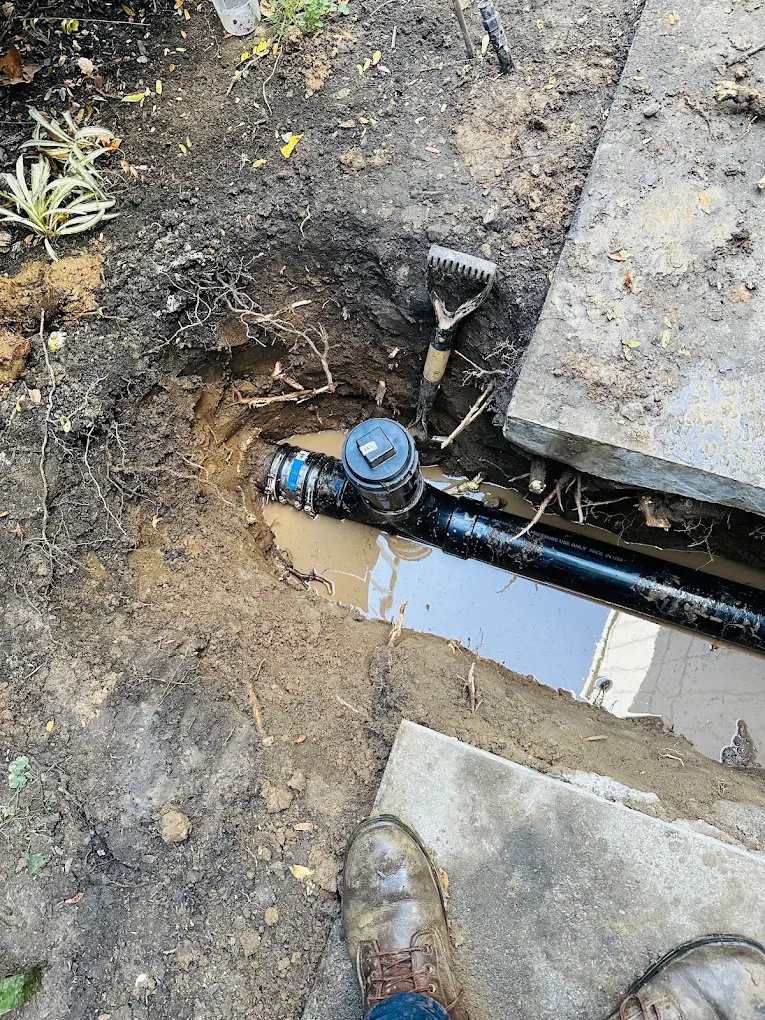
Jetting is not a cure for a broken or badly graded pipe. If the line holds water because it sags, deposits may return. If roots enter through failed joints, cleaning manages the symptom but does not seal the opening. A responsible proposal explains both the expected cleaning result and any underlying defect that remains afterward.
Compare cost, preparation, and long-term value
Price varies with line size, length, access, blockage severity, equipment, time, camera work, cleanup, and after-hours response. A simple branch snaking can cost less than jetting, but a lower initial price has little value if the line blocks again because heavy deposits remain. Conversely, jetting is not good value when a small accessible obstruction can be removed safely with simpler equipment.
Ask for a written scope that states access assumptions, cleaning method, camera work, limitations, and what happens if the equipment cannot pass. Discuss protection of finished areas and where wastewater or debris will go. After service, request maintenance guidance based on the actual cause. Avoid wipes, grease, and inappropriate materials even if their packaging suggests they are drain-safe.
For a commercial property or strata, schedule planning can affect cost as much as the cleaning method. The contractor may need access to several units, coordination with occupants, water-use restrictions, traffic control, grease-interceptor service, or after-hours work. Identify who can authorize additional work if the camera reveals a failed pipe so the line is not left out of service while decision-makers are unavailable.
Ask for before-and-after documentation when conditions permit. A clear video or report can help owners understand whether deposits were removed and whether cracks, offsets, roots, corrosion, or standing water remain. Documentation does not guarantee that a line will never clog again, but it creates a useful baseline for maintenance and repair decisions.
Frequently Asked Questions
Is hydro jetting always better than snaking?
No. Hydro jetting can clean broad deposits from suitable pipe walls, while snaking may be faster and more practical for a discrete obstruction or a preliminary opening. The best method depends on access, blockage type, pipe condition, service history, and the result expected from the visit.
Can hydro jetting damage old pipes?
High-pressure cleaning can be inappropriate for fragile, separated, collapsed, severely corroded, or otherwise unsuitable piping. Age alone does not establish condition. A qualified technician should review the material, access, history, and available inspection evidence, then select equipment and operating settings accordingly.
Do I need a camera inspection before drain cleaning?
Not every simple fixture clog needs a camera, but inspection is valuable when blockages recur, the line condition is uncertain, structural damage is suspected, or jetting is being considered. A fully blocked line may first need a controlled opening before a useful camera view is possible.
Why can a drain clog again after professional snaking?
A cable can restore an opening while grease, scale, roots, or other material remains on the pipe wall. Recurrence may also come from a sag, offset, failed joint, foreign object, or damaged pipe. The next step should respond to evidence rather than automatically repeating the same service.
Match the cleaning method to evidence inside the pipe
Snaking is a versatile way to open or retrieve many obstructions. Hydro jetting can clean broader deposits from suitable pipe walls. Camera inspection, service history, access, and pipe condition should guide the decision. Persistent problems need an explanation, not an endless cycle of temporary openings.
WaterLine Plumbing provides drain cleaning, camera inspection, and repair guidance across Surrey. Call 778-562-5628 to describe the symptoms and arrange the appropriate next step.
Sources and research notes
Organic-result research checked October 25, 2026 for the query “drain snaking vs hydro jetting difference.” The first conventional web result observed was Drain Snaking vs Hydro Jetting: Which One Fixes Your Clog?. The observed result is published by Aquatech Plumbing, a competing service company. It is retained only as an unlinked research note and is not used as a public factual citation. This article is original editorial work informed by the cited sources and does not reproduce their protected prose.
- Metro Vancouver: Sewer Flushing
- WorkSafeBC: Tools, Machinery and Equipment: High Pressure Washing
Venue details, schedules, menus, prices, regulations, products, and availability can change. Confirm current information with the linked official source before making plans or purchasing equipment.