
Hiring guide
Suggestions on Selecting the Best Plumber
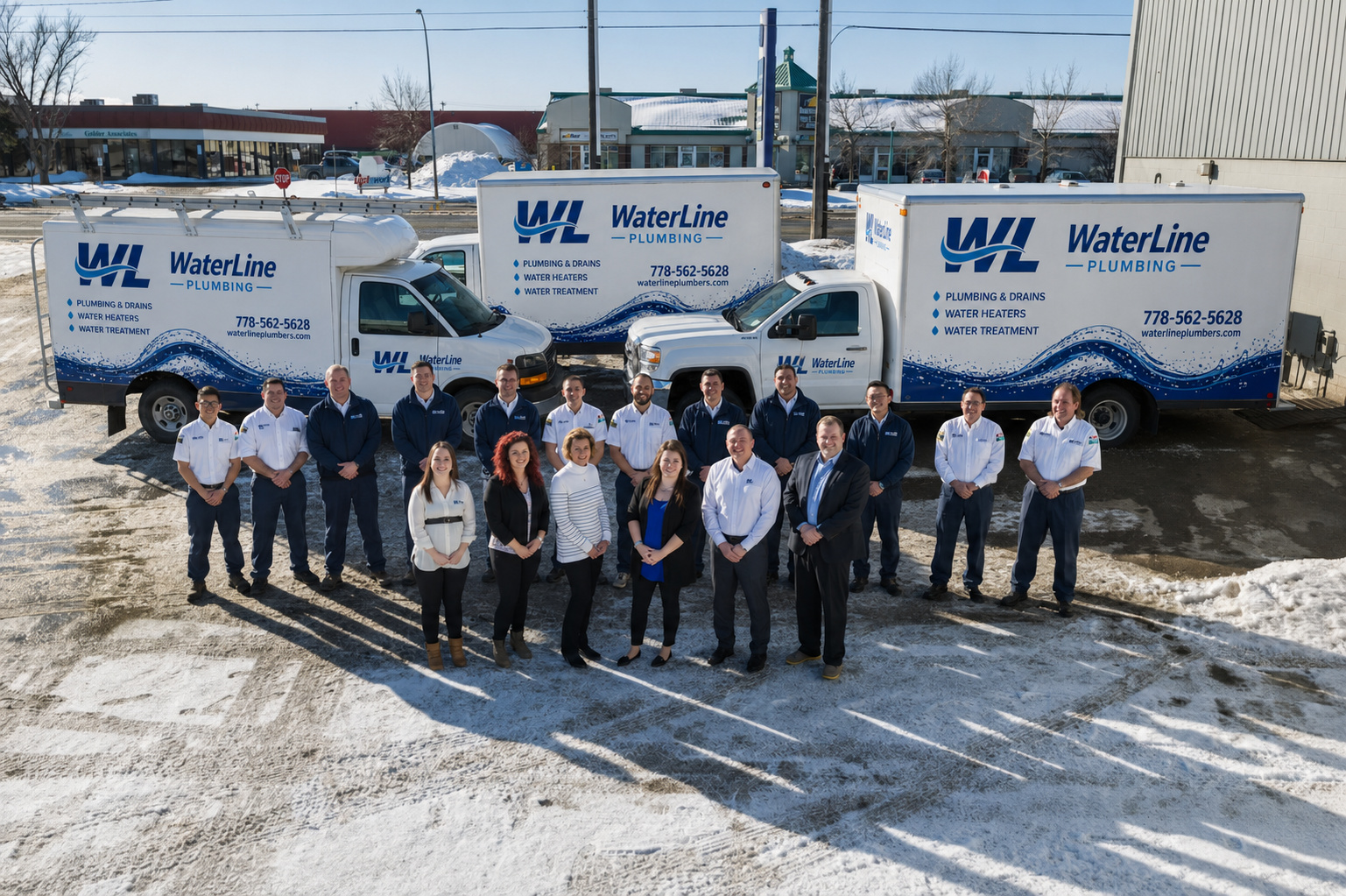
Independent guide prepared by WaterLine Plumbing
Comparing local Plumbers takes more than choosing the first advertisement or the lowest number on a quote.
A good plumbing contractor should be qualified for the scope, clear about the proposed work, and accountable after the invoice is paid. The right selection process changes with the job. An overflowing drain at midnight requires rapid triage and transparent emergency rates, while a planned repipe or commercial renovation requires detailed scope, permits, scheduling, documentation, and coordination with other trades.
This original guide uses Technical Safety BC licensing guidance, established consumer practices, and the first organic result observed for the target query. It does not guarantee the performance of any contractor. Verify current credentials, insurance, references, permit responsibilities, and contract terms directly before authorizing work.
Plumber selection checklist
| What to compare | Strong signal | Warning sign | What to verify |
|---|---|---|---|
| Qualifications | The company identifies who will perform regulated work and the credentials required | Vague claims that every technician can perform every scope | Current licence status, supervision, insurance, and permit responsibility |
| Diagnosis | Findings and remaining uncertainties are explained before expensive work is proposed | A major replacement is recommended without examining the relevant system | What was tested, what evidence was found, and what further access may be needed |
| Written estimate | Materials, labour approach, permits, restoration, taxes, warranty, and exclusions are listed | A low total with unclear scope or pressure to approve immediately | Model numbers, access assumptions, change-order process, and payment schedule |
| Reviews and references | Recent examples describe work similar to yours and how concerns were handled | Only generic praise, copied wording, or a portfolio that cannot be verified | Relevant project history, references for large work, and ownership of project photos |
| After-service support | Testing, cleanup, records, and a written workmanship warranty are included | The contractor will not explain who handles a callback or defective part | Completion documents, warranty terms, maintenance duties, and contact process |
Define the problem and the outcome first
Before calling, write down what you see, when it began, which fixtures are affected, and whether water, sewage, gas, or electricity creates an immediate hazard. Take clear photos or a short video if it is safe. For planned work, describe the outcome you want rather than prescribing a technical solution. A qualified plumber may identify a safer or more durable method after inspection.
Separate urgent stabilization from permanent repair. Stopping a leak may be the first visit, while drying, opening finishes, locating hidden damage, and completing code-compliant reconstruction may require additional work. Ask which part of the problem the quote covers and which parts belong to another trade or insurer. Clear scope prevents assumptions on both sides.
- Document symptoms, affected fixtures, timing, and visible damage.
- Ask whether the proposal is diagnosis, temporary control, or permanent repair.
- Confirm exclusions and work assigned to other contractors.
Verify licences and qualifications for the scope
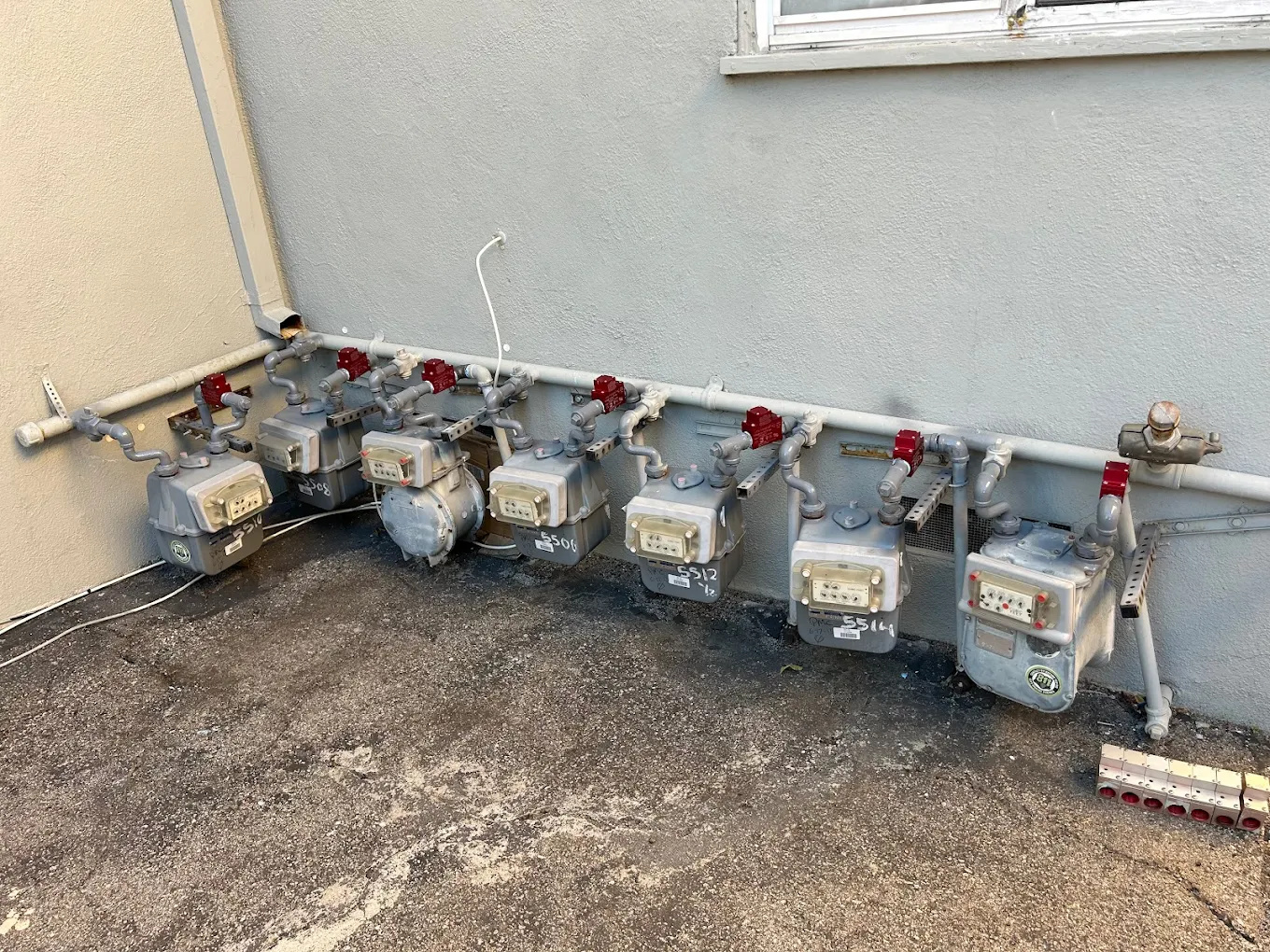
Not every plumbing-related task requires the same authorization. Gas work, regulated equipment, backflow testing, and complex commercial systems may involve specific credentials or permits. Technical Safety BC provides a licensed-contractor registry for regulated work and explains that consumers can review licence status and scope. Use the responsible authority's current records instead of relying only on a logo or an unsourced claim.
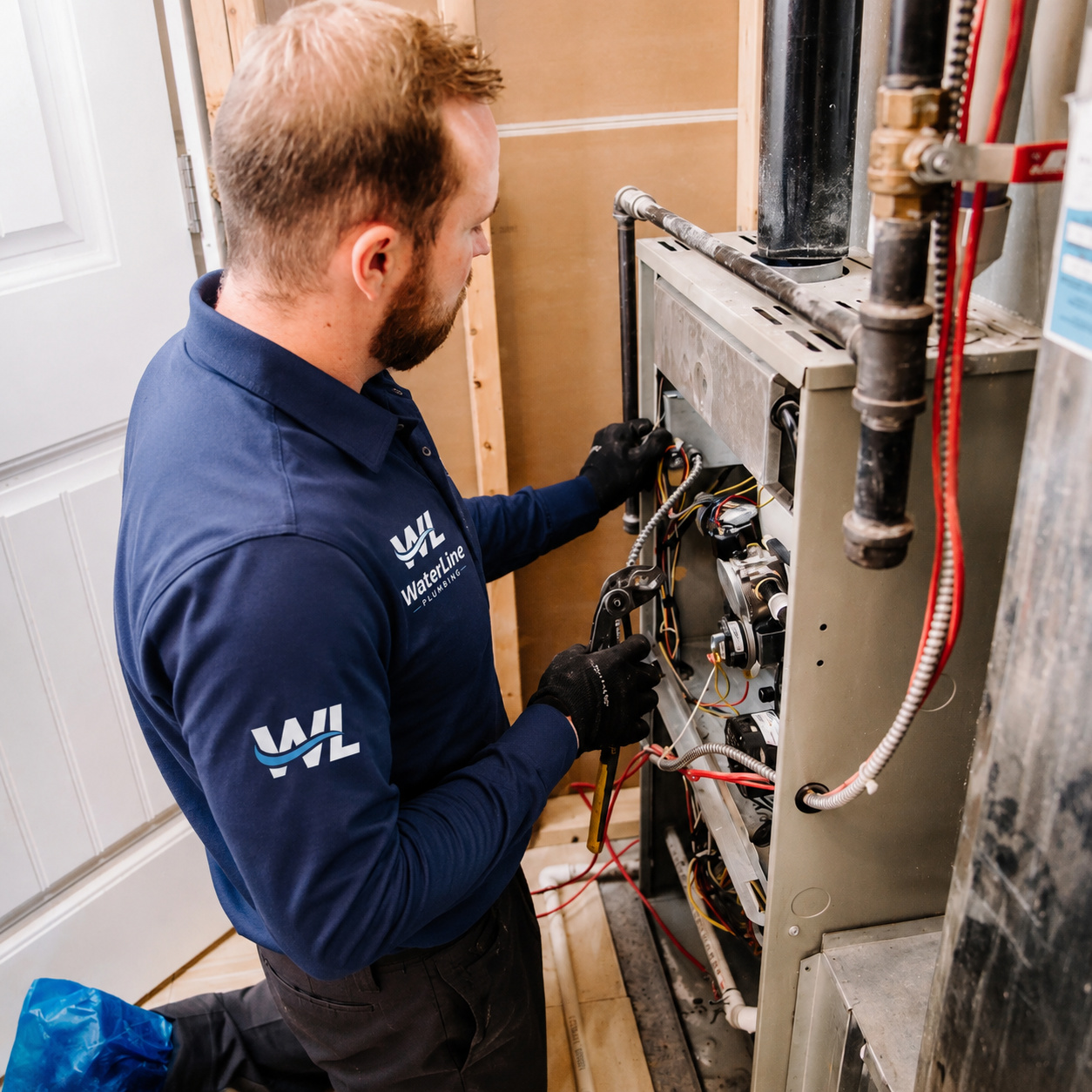
Ask who will actually perform the work and who supervises apprentices or subcontractors. Confirm business insurance and Workers Compensation coverage where relevant. If the company says no permit is required, ask why and verify when the project is substantial. A credible contractor should not object to reasonable credential questions.
Compare written estimates by scope, not total alone
A useful estimate identifies the problem being addressed, materials or equipment, labour approach, access assumptions, disposal, permits, taxes, payment schedule, warranty, and exclusions. For diagnostic work, it should explain the service rate and how authorization for additional work will occur. Product model numbers matter when comparing fixtures, pumps, or water heaters because two proposals with similar descriptions may specify very different equipment.
The lowest total can omit restoration, permits, after-hours charges, or necessary upgrades. The highest total is not automatically better either. Ask each contractor to clarify uncertainties and alternatives. If walls or floors may need to be opened, discuss who performs that work and who restores them. Never rely on a verbal promise for a major project when a written scope is available.
Read reviews for patterns and relevance
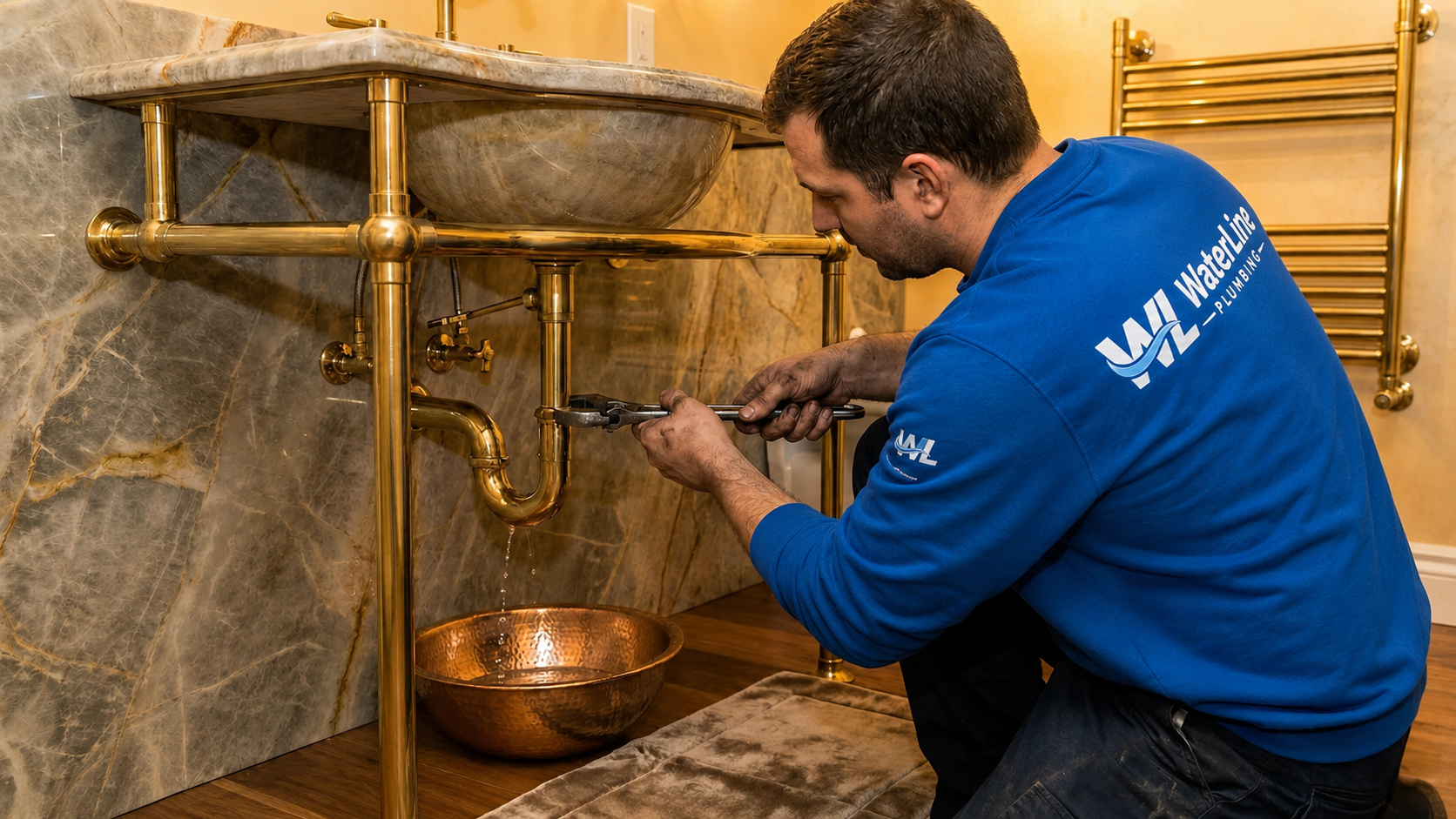
Reviews are most useful when they describe work similar to yours. Look for repeated observations about punctuality, diagnosis, cleanliness, communication, invoicing, and how the company handled a problem after the visit. Separate emergency-service reviews from renovation reviews because the teams, timelines, and expectations may differ. A large review count is informative, but recency and detail matter too.
Be cautious with both perfect praise and isolated anger. Read the company's responses and whether they address facts respectfully. Ask for references when the project is large or specialized, and confirm that any portfolio image represents the contractor's own work. Reviews support due diligence but do not replace licences, insurance, a site assessment, and a clear agreement.
Evaluate communication and diagnosis
A strong plumber asks questions, investigates before recommending expensive work, and explains findings in understandable terms. They should distinguish what is known from what still requires testing. For a recurring blockage, that might mean discussing camera inspection rather than repeatedly clearing the same symptom. For a leak, it means identifying the source and not assuming every stain proves the same cause.
Notice whether the office and technician provide consistent information about arrival windows, rates, approvals, and documentation. Emergencies can disrupt schedules, but silence is different from an honest update. Ask how change orders are approved and how you will receive photos, reports, permits, warranties, and maintenance instructions. Good communication is part of the service, not an optional extra.
Check warranty, cleanup, and after-service support
Ask what the contractor warrants, for how long, and what conditions or exclusions apply. Manufacturer coverage and workmanship coverage are separate. Find out who handles a defective part, what proof of maintenance is required, and whether labour is included. Save the invoice, model and serial numbers, inspection records, photographs, and any care instructions.
The completion standard should include safe operation, testing, removal of agreed debris, and a walkthrough of shutoffs or controls. For larger work, request documentation before final payment. If a concern appears later, report it promptly with photos and a clear description. A company with organized after-service support is easier to work with than one that disappears after collecting payment.
Watch for pressure tactics, unexplained cash-only demands, refusal to identify the business, vague pricing, and recommendations made without examining the relevant system. An emergency can limit comparison time, but it does not remove your right to know the service rate and approve additional work. Pause a non-urgent project when the contractor will not put material promises in writing.
For renovation or commercial work, ask how the plumber coordinates inspections, shutdowns, tenants, equipment lead times, and other trades. Confirm who protects occupied areas and communicates schedule changes. A technically capable contractor can still create costly disruption if project management responsibilities are unclear, so evaluate the operating plan as carefully as the installation method.
Frequently Asked Questions
How many plumbing estimates should I get?
For a planned project, two or three comparable written estimates can reveal differences in scope, equipment, access, permits, restoration, and warranty. An active leak or sewage backup may require immediate stabilization before comparison. Even then, ask for the service rate and approval process before dispatch.
How can I verify a plumber's qualifications in British Columbia?
Ask which credentials apply to the proposed scope and who will perform or supervise the work. For regulated work, use the responsible authority's current registry, such as Technical Safety BC's contractor information, and confirm permit responsibility directly. Also request current insurance details where relevant.
Should I always choose the lowest plumbing quote?
No. Compare inclusions, exclusions, materials, model numbers, permits, access, restoration, disposal, testing, warranty, and taxes. A lower quote may be appropriate when the scopes truly match, but an omitted requirement can make the final cost higher or leave part of the problem unresolved.
What should I ask before an emergency plumber is dispatched?
Describe the hazard and affected fixtures, then ask about the dispatch or diagnostic charge, after-hours rate, arrival window, payment methods, and how additional work will be authorized. Follow safety instructions and stop using water or equipment when continued operation could worsen damage.
Choose the plumber who makes the work understandable
The best plumber for your job should have the right qualifications, a sound diagnostic process, transparent pricing, relevant experience, and written accountability. Compare complete scopes, verify claims through official sources, and pay attention to how clearly the company communicates before work begins.
WaterLine Plumbing provides 24-hour plumbing support across Surrey for homes, strata properties, and businesses. Call 778-562-5628 to describe the issue and request the next appropriate step.
Sources and research notes
Organic-result research checked October 25, 2026 for the query “how to choose the best plumber.” The first conventional web result observed was Choosing The Right Plumber In Vancouver. The observed result is published by High Mark Plumbing, a competing service company. It is retained only as an unlinked research note and is not used as a public factual citation. This article is original editorial work informed by the cited sources and does not reproduce their protected prose.
- Technical Safety BC: Licensed Contractor Guide
Venue details, schedules, menus, prices, regulations, products, and availability can change. Confirm current information with the linked official source before making plans or purchasing equipment.